Executive Summary: Key Technical Insights
- Shallow-Draft Optimization: Operating in tidal zones like the Wadden Sea requires specialized hull forms, where shipbuilders such as Neptune Marine utilize wide-beam, shallow-draft architectures to maintain stability and high bollard pull in less than 2 meters of water.
- Regulatory Pressures and ES-TRIN: Compliance with stringent European environmental standards is forcing operators to retrofit or acquire vessels with advanced zero-emission capabilities, driving demand for hybrid multicats and electric utility vessels.
- Bespoke Electrification Projects: Holland Shipyards Group continues to pioneer custom electric retrofits, integrating high-capacity lithium-iron-phosphate (LFP) energy storage systems (ESS) to create zero-emission workboats tailored for sensitive marine environments.
- Deck Machinery and Multi-Role Capability: Modern Dutch multicats maximize operational versatility by integrating heavy-duty hydraulic cranes and double-drum winches, allowing a single vessel to execute dredging support, anchor handling, and coastal construction.
- Asset Liquidity and Secondary Markets: Standardized series-built vessels (like the EuroCarrier) maintain extremely high residual values across Europe, offering lucrative cross-border procurement opportunities for fleet managers navigating the B2B vessel marketplace.
The intersection of the North Sea and the Wadden Sea presents one of the most challenging operational environments for commercial workboats in Europe. The North Sea is characterized by fierce winter storms and significant wave heights ($H_s$), while the Wadden Sea is an intertidal zone composed of extensive mudflats, deep tidal trenches, and highly protected ecological reserves. Navigating this juxtaposition requires a specialized class of vessel: the shallow-draft multicat and utility workboat.
Dutch naval architecture has long been defined by its mastery of shallow-water operations. The engineering solutions developed here—from modular construction techniques to cutting-edge hybrid propulsion—are setting the standard for coastal marine logistics globally. For fleet managers and marine brokers, understanding the technical evolution of these vessels is critical. As environmental regulations tighten across the European Union, the demand for versatile, low-emission workboats capable of operating in ecologically sensitive zones is surging, creating robust dynamics in both the newbuild and secondary B2B vessel marketplace.
The Unique Operational Constraints of the Wadden Sea and Coastal Europe
Operating along the Dutch and German coasts requires vessels to seamlessly transition between the punishing swells of the open ocean and the extreme shallows of tidal estuaries.
Tidal Fluctuations and Shallow Draft Geometries
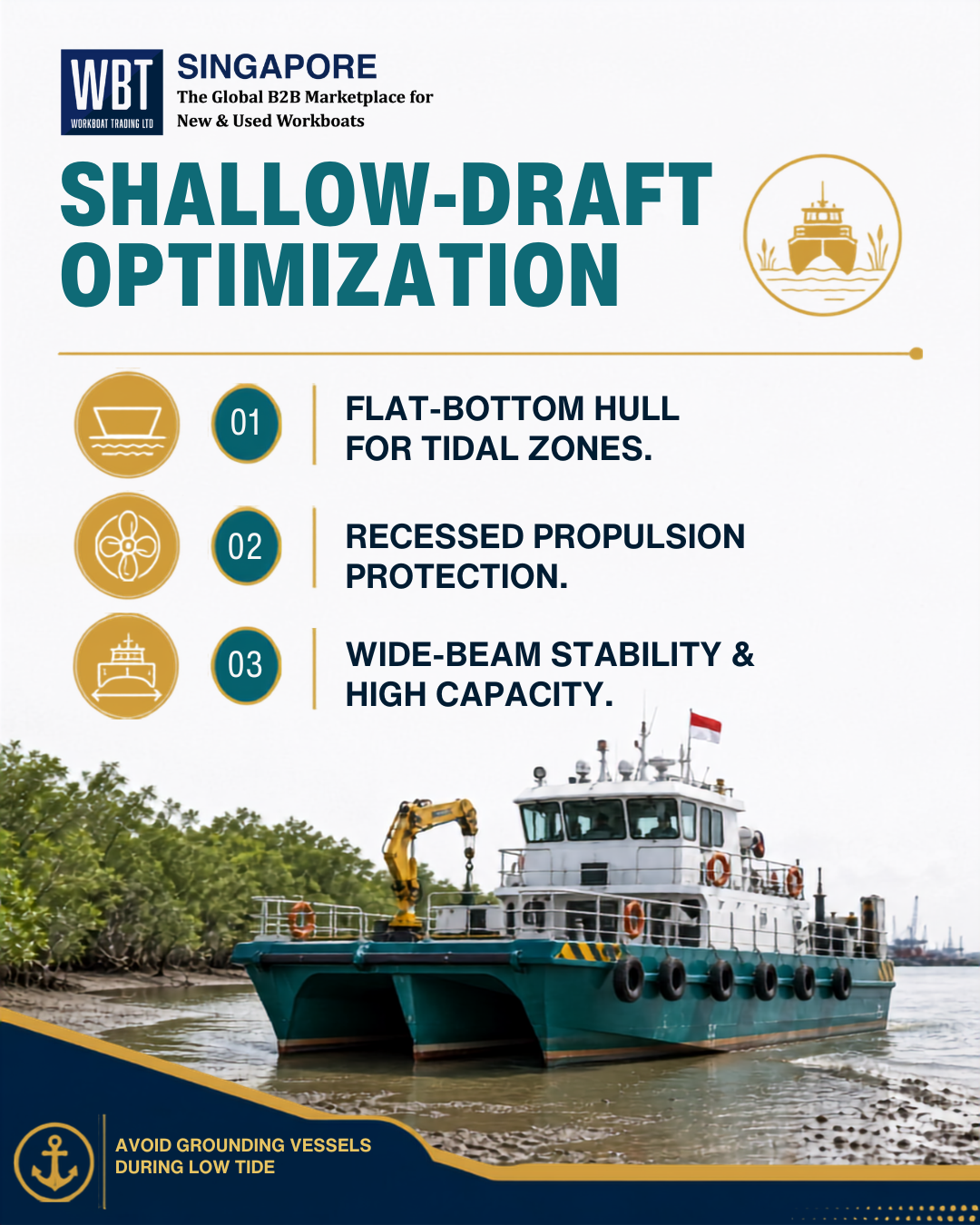
The Wadden Sea experiences dramatic tidal shifts, often leaving vessels grounded during low tide. Workboats operating in these zones must feature specific structural adaptations:
- Flat-Bottom Hulls with Reinforced Plating: To safely take the ground without structural deformation, vessels utilize flat-bottom hull forms with heavily reinforced keel plating and robust internal framing. This allows the vessel to rest on mud or sand flats during low tide, a critical capability for dredging support and coastal defense construction.
- Propulsion Protection: Propellers and rudders are recessed into the hull or protected by heavy-duty skegs and nozzle rings to prevent damage from seabed contact or submerged debris. Box coolers are frequently utilized instead of standard sea chests to prevent mud and silt from clogging the engine cooling systems during grounding.
- Wide Beam for Stability: To achieve the necessary displacement while minimizing draft (often keeping it below 1.5 to 2 meters), these vessels employ exceptionally wide beams. This configuration provides massive initial stability, allowing them to carry heavy deck cargo and operate large hydraulic cranes without the need for extensive ballasting.
Environmental Sensitivity and ES-TRIN Compliance
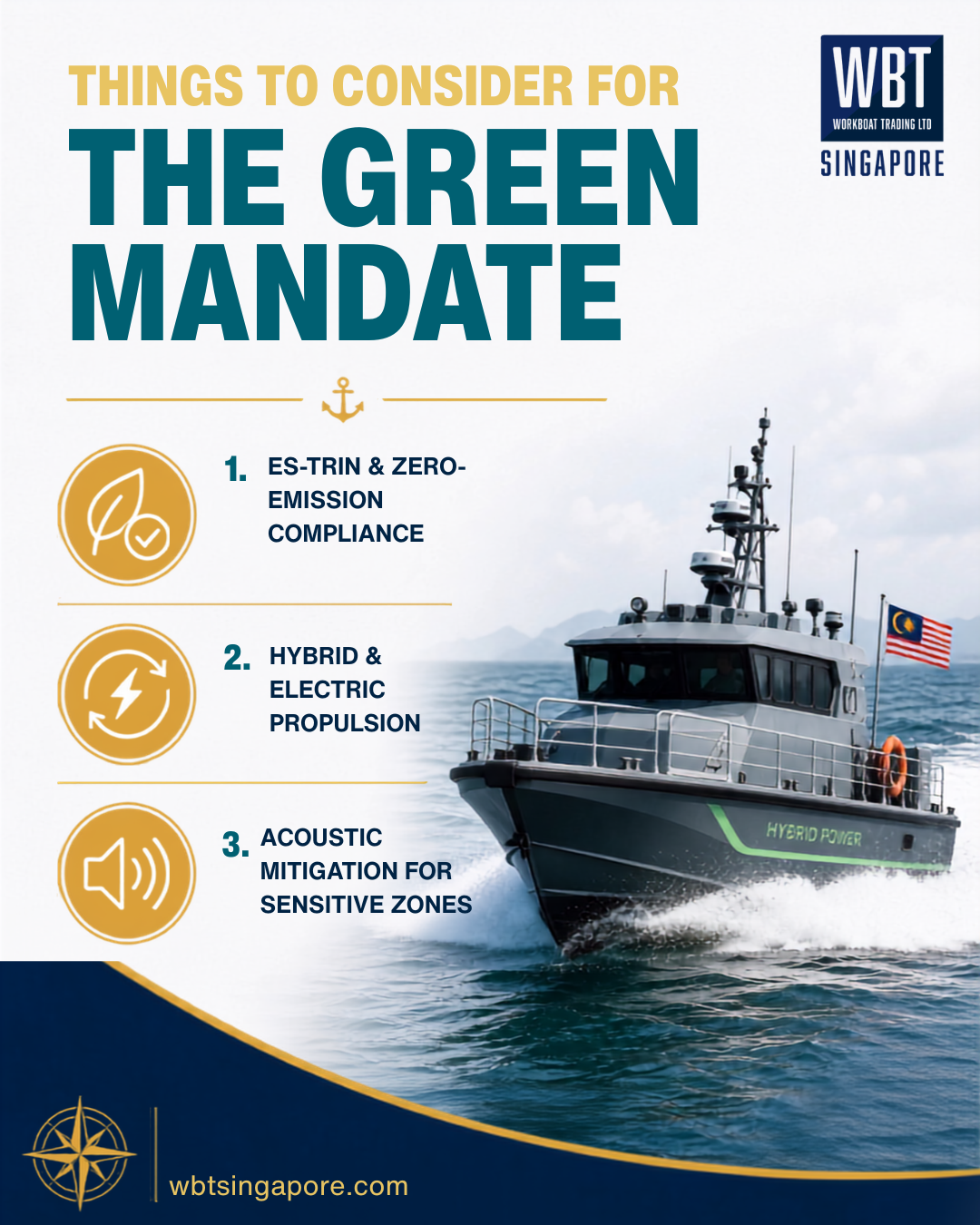
The Wadden Sea is a UNESCO World Heritage site, imposing the strictest environmental regulations in Europe on commercial shipping.
- Zero Discharge and Acoustic Mitigation: Vessels must adhere to zero-discharge policies for black and grey water, necessitating high-capacity holding tanks and advanced onboard treatment plants. Furthermore, underwater radiated noise (URN) is heavily regulated to protect marine mammals. Engineering solutions include the use of elastic mounts for main engines and generators, specialized propeller designs to delay cavitation, and the integration of battery-electric propulsion modes for silent operation.
- ES-TRIN Standards: The European Standard laying down Technical Requirements for Inland Navigation vessels (ES-TRIN) governs operations in European inland waterways and estuaries. Compliance requires specialized emission controls, typically Tier III NOx abatement using Selective Catalytic Reduction (SCR) systems or a complete shift to zero-emission powertrains.
Modular Construction and Series Builds: The Neptune Marine Approach
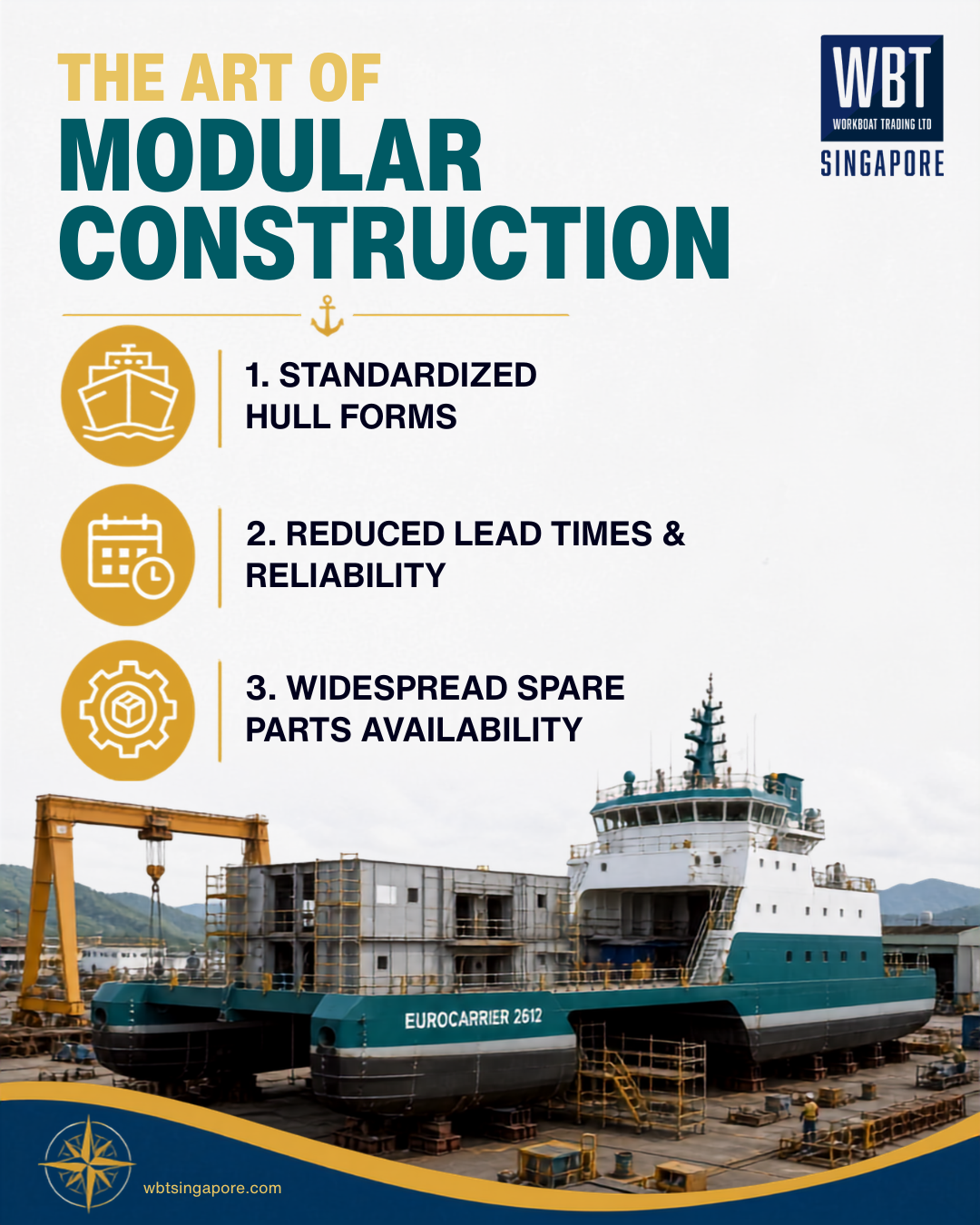
The Dutch shipbuilding industry is renowned for its highly efficient modular construction methodologies, epitomized by yards like Neptune Marine. By standardizing hull forms and major components, these builders deliver reliable, high-performance vessels with shortened lead times.
The Utility of EuroCarrier and EuroTug Platforms
Neptune Marine's EuroCarrier and EuroTug series have become the de facto standard for multi-role operations across European coasts.
- Versatile Architecture: The EuroCarrier is essentially a floating, self-propelled workbench. The design maximizes open deck space, placing the superstructure far forward or offset to one side. This allows the vessel to transport long sections of pipeline, heavy marine construction equipment, or standard ISO containers.
- Redundancy and Reliability: Series-built vessels benefit from iterative engineering. Systems are standardized, meaning that failure points are well-understood and mitigated. For operators, this means that spare parts—from hydraulic pump seals to generator components—are readily available across European logistics hubs, significantly reducing operational downtime.
Deck Layout and Winch Capabilities for Coastal Construction
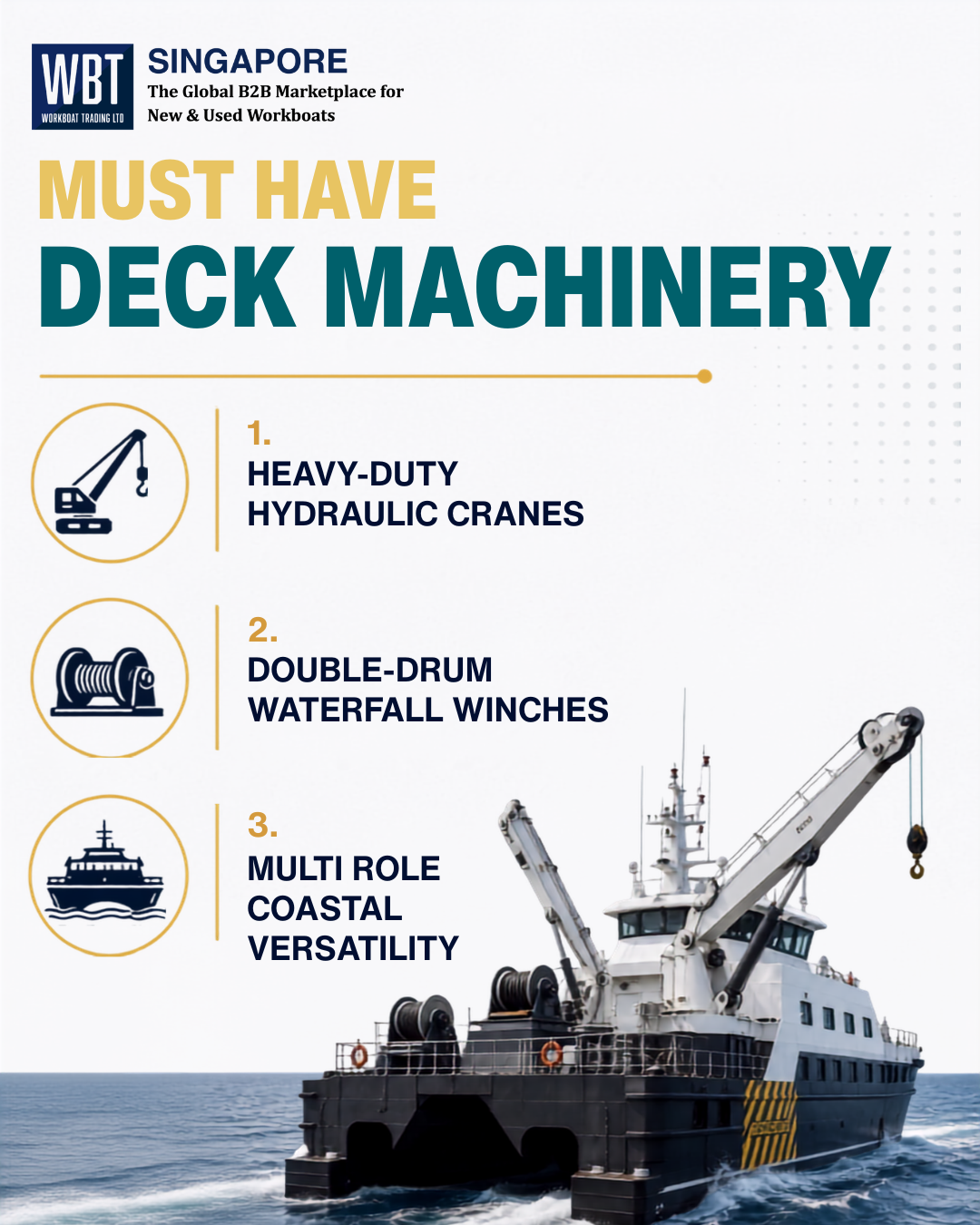
The true value of a multicat lies in its deck machinery. Dutch designs prioritize massive hydraulic power and intelligent layout.
- Heavy-Duty Cranes: Vessels are typically fitted with one or two high-capacity knuckle-boom marine cranes (e.g., Heila or Palfinger). These cranes are rated for dynamic marine environments, featuring active heave compensation (AHC) for precise cargo placement during dredging or offshore wind support.
- Winch Configurations: A central feature is the robust double-drum waterfall winch, often delivering 50 to 100 tonnes of line pull. These winches handle everything from towing dredging pontoons to deploying anchor spreads for coastal construction barges. Bow and stern rollers, combined with heavy hydraulic towing pins and wire stoppers (Karm Forks), allow safe handling of heavy chains and wires in adverse conditions.
Advanced Electrification and Bespoke Engineering: Holland Shipyards Group
While standardized series builds dominate the utility market, there is a growing mandate for bespoke, highly specialized engineering, particularly regarding decarbonisation. Holland Shipyards Group (HSG) has emerged as a leader in this space, executing complex green retrofits and newbuilds.
Zero-Emission Propulsion Architectures
HSG focuses heavily on integrating advanced hybrid and fully electric propulsion systems into workboat platforms.
- Diesel-Electric and Hybrid Systems: For vessels requiring high endurance and bursts of extreme power, hybrid systems combine standard diesel generators with substantial battery banks. A Power Management System (PMS) optimizes load distribution. During low-power operations (like loitering or DP station-keeping), the vessel can run solely on battery power, drastically reducing fuel consumption and localized emissions. When high bollard pull is required, the diesel generators seamlessly engage to provide maximum thrust.
- Direct Drive DC Grids: Modern Dutch electric workboats increasingly utilize DC grid architectures. Unlike traditional AC grids that require generators to run at a fixed synchronous speed, DC grids allow generators to operate at variable speeds, optimizing fuel efficiency and reducing mechanical wear across the entire load profile.
Integration of High-Capacity ESS and Shore Power
- Energy Storage Systems (ESS): The heart of the zero-emission vessel is the ESS. Marine-grade Lithium-Iron-Phosphate (LFP) battery racks are preferred for their thermal stability and long lifecycle. These systems require sophisticated HVAC integration to maintain optimal operating temperatures and sophisticated fire suppression systems (such as Novec 1230 or water mist) tailored for lithium-ion fires.
- High-Voltage Shore Connection: To maximize the environmental benefits of hybrid and electric vessels, port infrastructure must provide high-voltage shore power (cold ironing). Dutch hubs like Rotterdam and Amsterdam are rapidly expanding this infrastructure, allowing vessels to recharge their ESS and operate shipboard systems while docked without running auxiliary diesel engines.
Evaluating Assets for Secondary Market Procurement
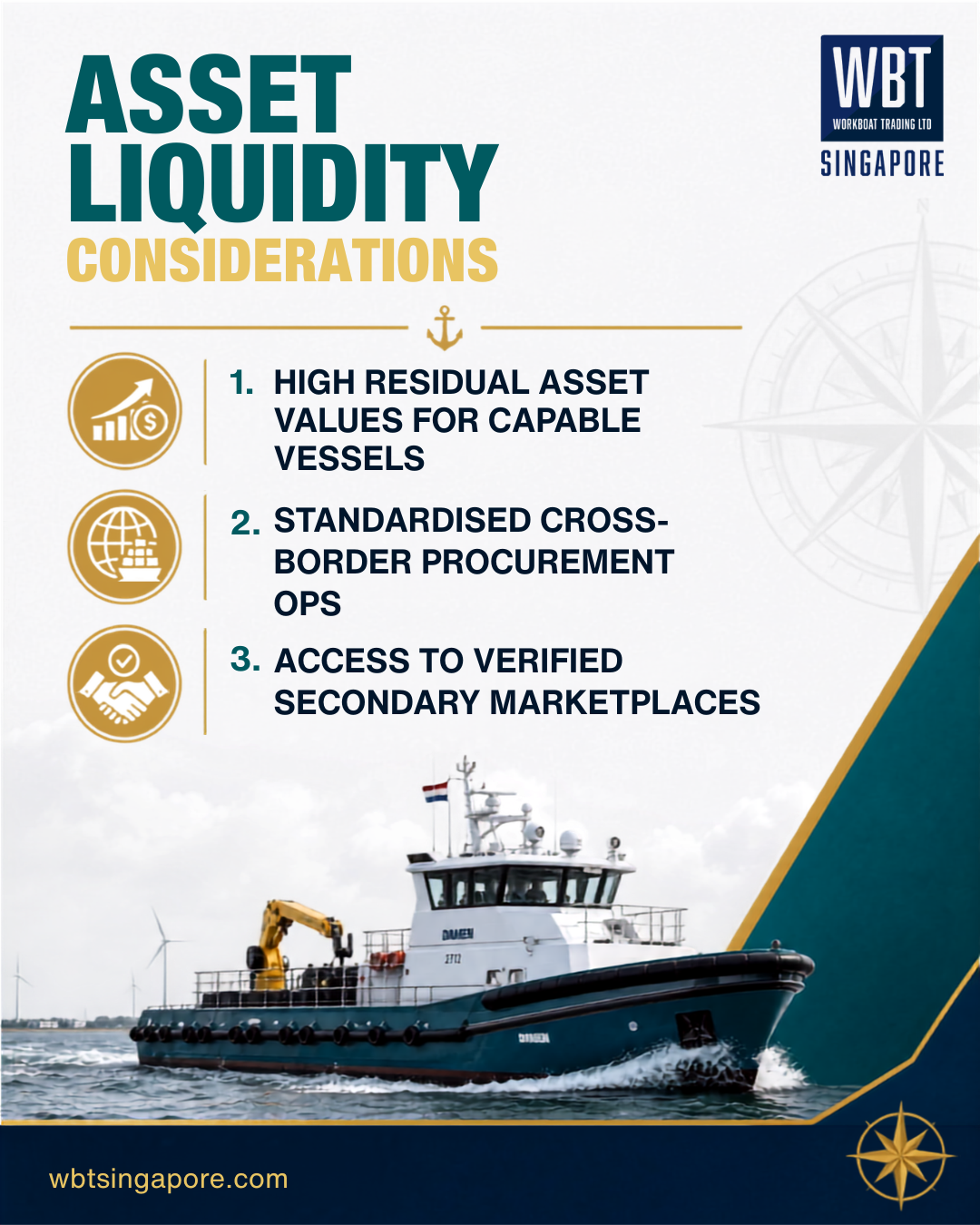
The robust engineering and stringent maintenance standards of Dutch-built workboats make them highly desirable in the secondary market. Fleet managers seeking to upgrade their capabilities can find significant value in pre-owned European tonnage.
Classification Transfers and Port State Controls
When sourcing vessels, operators must navigate classification society rules. Dutch vessels are typically classed with major IACS members (Bureau Veritas, Lloyd's Register, DNV). Transferring these vessels to other European flag states (e.g., the UK MCA) requires a thorough review of the vessel's stability booklet, safety equipment layouts, and localized emission certifications. Buyers can utilize the how-it-works page to understand the technical documentation required for smooth cross-border transactions.
Valuing Hybrid Retrofits
Vessels that have undergone hybrid retrofits or are "methanol-ready" command a significant premium in the vessel listings. When evaluating a hybrid asset, buyers must assess the State of Health (SoH) of the battery systems and the compatibility of the Power Management System with local charging infrastructure. An older hull with a modernized, compliant propulsion plant often represents a better return on investment than a pure diesel newbuild in today's regulatory climate. Review our pricing page to explore listing strategies for high-value green assets.
Navigating Cross-Border Transactions
Sourcing high-specification tonnage across European borders requires transparency and secure transaction management. WBT Singapore provides the essential digital infrastructure to connect buyers with verified European sellers. By centralizing documentation, inspection reports, and escrow services, the platform mitigates the inherent risks of international maritime procurement.
Conclusion
The operational demands of the North Sea and the ecological sensitivities of the Wadden Sea have forged some of the most capable and technologically advanced workboats in the world. Shipbuilders like Neptune Marine and Holland Shipyards Group continue to push the boundaries of shallow-draft efficiency and zero-emission operations. For European fleet operators, leveraging this engineering excellence—whether through newbuilds or strategic acquisitions in the secondary market—is the key to remaining competitive and compliant in the rapidly evolving maritime landscape.
FAQ
What are the main design features of a shallow-draft multicat?
Shallow-draft multicats feature wide-beam, flat-bottom hulls for maximum stability and minimum draft, often incorporating reinforced plating for safe grounding. They utilize recessed propulsion systems or box coolers to protect critical machinery from mud and debris in intertidal zones like the Wadden Sea.
How do European environmental regulations impact workboat propulsion?
Strict regulations, such as ES-TRIN and local zero-emission mandates, are driving a rapid shift toward hybrid and fully electric propulsion. Operators must integrate Tier III SCR systems for NOx reduction, or adopt high-capacity battery systems to meet zero-discharge and acoustic mitigation requirements in sensitive areas.
Why are modular, series-built workboats advantageous?
Modular designs, like Neptune Marine's EuroCarrier series, offer proven reliability, short delivery times, and economies of scale. Their standardized components ensure widespread spare parts availability across European ports, minimizing downtime and maintaining high residual asset values.
What is the role of the Energy Storage System (ESS) in hybrid vessels?
The ESS, typically utilizing marine-grade Lithium-Iron-Phosphate (LFP) batteries, allows vessels to operate silently and with zero emissions during low-load tasks. It is managed by a Power Management System (PMS) that balances loads between the batteries and diesel generators, optimizing overall fuel efficiency.
How can operators efficiently procure pre-owned Dutch workboats?
Operators can leverage digital B2B marketplaces to source verified European tonnage. Platforms provide access to comprehensive documentation, facilitating class transfers and cross-border logistics. Review the how-it-works page to understand the transaction workflow for international vessel acquisitions.