
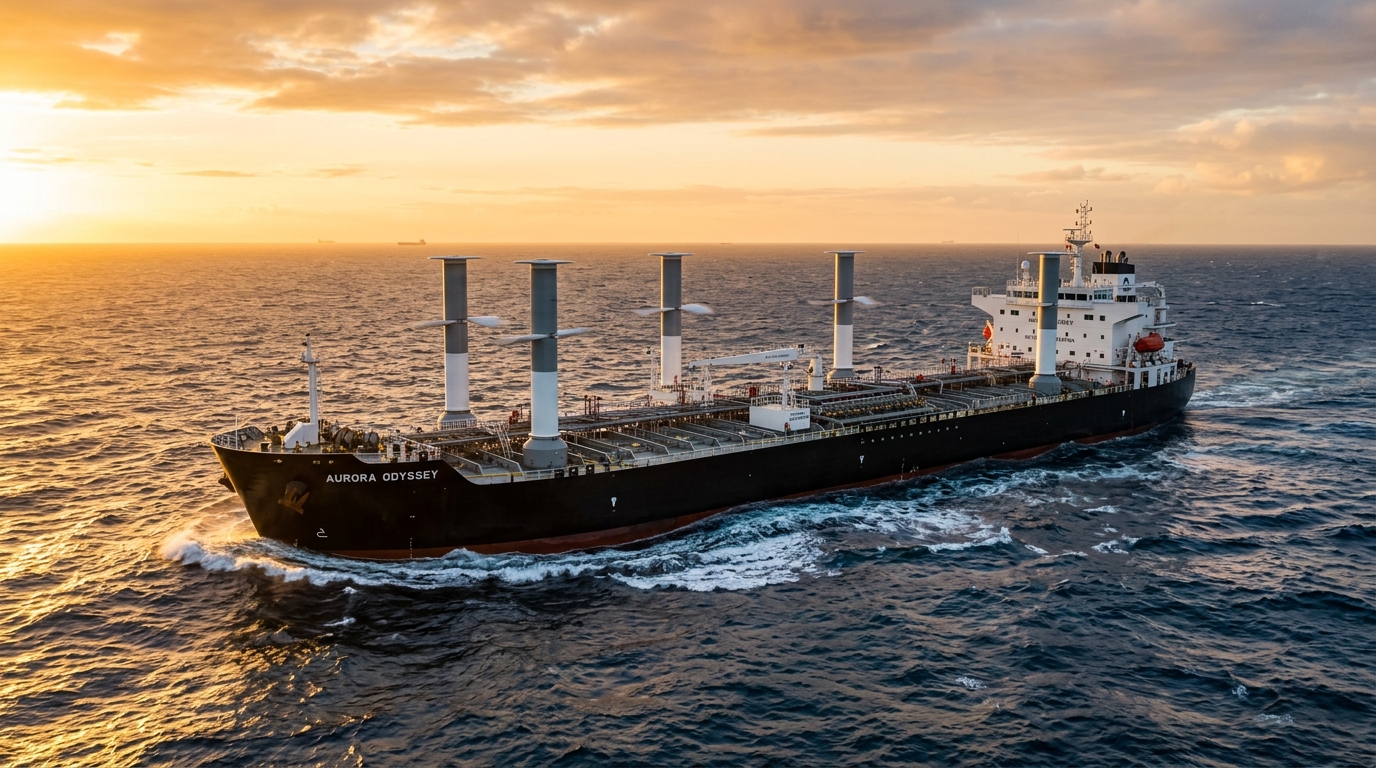
Key Takeaways
- The global fleet of commercial ships utilizing wind propulsion technology has officially exceeded 100 vessels.
- Tankers currently hold the largest share of wind-assisted installations with 37 ships, followed by bulk carriers and general cargo vessels.
- The International Windship Association projects the fleet will double to approximately 200 large commercial ships by mid-2027.
The Rise of Wind-Assisted Shipping
For decades, wind propulsion was largely viewed as an auxiliary or historical curiosity in the era of high-powered internal combustion engines. However, as of June 2026, the sector has hit a major inflection point. With the global fleet of large commercial vessels utilizing wind-assisted propulsion passing the 100-ship mark, we are witnessing a genuine shift in how shipowners approach fuel efficiency and compliance with increasingly stringent IMO carbon intensity regulations.
Tankers Leading the Green Transition
Data from the International Windship Association highlights an interesting market trend: tankers are leading the adoption curve. With 37 tankers now equipped with wind-assist technology, the segment has surpassed other vessel types like bulk carriers and ro-ro vessels. This surge is likely driven by the need for these high-consumption assets to optimize long-haul voyages, where consistent wind patterns can provide meaningful fuel savings and direct CO2 reductions.
Diverse Technologies on the Horizon
It is no longer just about traditional sails. The current fleet is utilizing a sophisticated mix of over 230 wind propulsion units, including rotor sails, suction sails, and wing sails. These technologies are being integrated into both newbuild projects and as retrofits for existing tonnage. The versatility of these systems allows them to be installed across varied hull types, ranging from small general cargo ships to large bulk carriers, proving that wind energy can be harvested effectively across different operational profiles.
Scaling for a 2027 Outlook
The momentum behind this technology is not expected to slow down. With an estimated 100,000 tonnes of CO2 saved annually by the current fleet, the commercial validation of these systems has reached a level that attracts conservative shipowners. Industry projections suggest the fleet will double in size within the next 12 months, reaching roughly 200 vessels by mid-2027. This growth reflects a move from pilot projects to standardized, reliable commercial applications.
The Economic and Environmental Driver
Why the sudden uptick? Beyond regulatory pressure, the economic argument for wind-assisted propulsion has strengthened. As fuel prices—such as the recent spikes in Brent crude—remain volatile, the ability to harvest 'free' energy from the wind provides a necessary hedge. For vessel operators, reducing the fuel consumption of an engine—whether it is a traditional heavy fuel oil setup or a newer dual-fuel marine engine—directly impacts the bottom line while concurrently improving the vessel’s Energy Efficiency Design Index (EEDI) and Carbon Intensity Indicator (CII) ratings.
A Strategic Infrastructure Shift
As the industry pushes toward these targets, the supporting infrastructure is evolving. Ports and regulators are becoming increasingly familiar with the integration of wind units, which can affect a vessel’s air draft and maneuverability. This maturing ecosystem is crucial. The success of this transition relies on sustained testing and the continued collaboration between shipowners, technology developers, and port authorities to ensure these wind-equipped vessels can operate seamlessly within global logistics hubs.