Key Takeaways
- The fifth edition of the ICS guidelines introduces concrete operational mandates for menstrual hygiene and sanitary facilities on board.
- Updated MLC standards now enforce anti-harassment and anti-bullying protocols as fundamental safety requirements rather than optional policies.
- Industry data indicates that while shore-based maritime roles are diversifying, women remain at just over one percent of the global active seafarer workforce.
A New Framework for Inclusivity
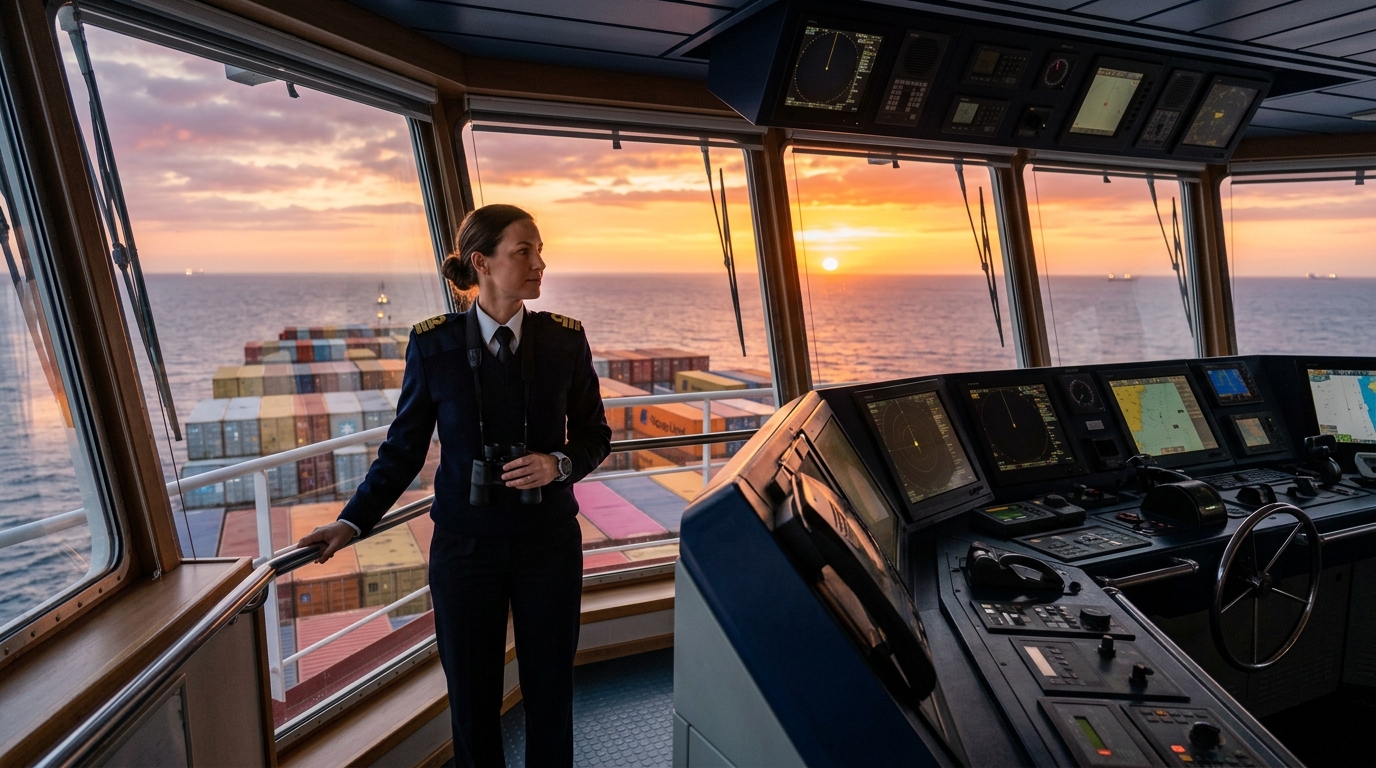
The maritime industry is currently at a crossroads where workforce shortages meet the imperative for structural modernization. With the publication of the fifth edition of the Guidelines on the Application of the ILO Maritime Labour Convention (MLC), the International Chamber of Shipping (ICS) has signaled that diversity is no longer an optional ethical target, but a core operational necessity. This update specifically targets the daily lived reality of women at sea, moving the conversation from high-level diversity initiatives to the practical, physical requirements needed to retain female talent in a historically exclusionary environment.
Addressing Practical Disparities
For too long, the design of shipboard life—from cabin configurations to supply chains—has been predicated on an exclusively male norm. Technical content experts at the ICS highlight that basic requirements, such as menstrual hygiene products and appropriate sanitary disposal in shared washrooms, have often been overlooked. The new MLC guidance demands that these items be treated as essential ship stores rather than luxury goods. By normalizing the availability of such supplies in bridge and engine control room kits, the industry can remove a consistent, unnecessary source of psychological and operational stress for female seafarers.
Safety and Harassment Mandates
The updated MLC framework significantly strengthens the requirements for anti-harassment and anti-bullying protocols. For years, advocates have pushed for these policies to be moved from the realm of company-level guidance into the mandatory, enforceable category of the MLC. This shift provides a formal mechanism for victim safeguarding and establishes clear expectations for shipowners to maintain safe environments. This regulatory tightening is vital, as concerns regarding violence and sexual assault remain primary drivers for female seafarers leaving the profession prematurely.
The Commercial Case for Diversity
Beyond human rights, there is a clear commercial driver for these changes. The industry is grappling with a well-documented global officer shortage. With BIMCO/ICS reports indicating that women represent roughly one percent of the active seafaring workforce and only five percent of maritime students, the current talent pipeline is severely restricted. Forward-thinking shipowners are now recognizing that fostering an inclusive culture—supported by updated maternity/parental leave policies and flexible return-to-sea options—is essential to expanding the available labor pool and maintaining competitive operational capability.
PPE and Human-Centric Design
Building upon the 2022 MLC amendments, the continued focus on Personal Protective Equipment (PPE) remains a critical touchstone for safety. The improvisation of ill-fitting gear has historically created physical risks for women on deck and in the engine room. Mandating that shipowners provide correctly sized, purpose-built PPE is not merely a matter of comfort; it is a critical safety intervention that acknowledges the physical diversity of a modern, professional crew. This shift towards human-centric design is essential for integrating women into technical roles.
The Path Toward Retention
Regulatory updates, while necessary, represent only the foundation. The ultimate success of these measures will depend on effective enforcement and a genuine shift in shipboard culture. As global connectivity improves through better digital infrastructure, the historical isolation of the seafarer is being challenged. Combining this connectivity with proactive support networks and a zero-tolerance policy toward harassment provides the best hope for transforming the maritime sector into a sustainable career path for all, ensuring that the industry's future is defined by competence rather than outdated demographic norms.