Key Takeaways
- MOL becomes the first Japanese shipping company to invest in a floating liquefied natural gas project.
- The Delfin FLNG 1 project in Louisiana is set to become the largest offshore liquefaction facility globally upon completion in 2030.
- Industry analysts suggest that elevated LNG prices are likely to persist for 18 months due to capacity delays and geopolitical instability.
A New Frontier for MOL
Mitsui O.S.K. Lines (MOL) has officially entered the upstream energy sector through a $300 million investment in the Delfin FLNG 1 project off the coast of Louisiana. This Final Investment Decision (FID) represents a significant evolution for the Tokyo-based shipping giant. By moving beyond traditional LNG transportation and regasification into the actual liquefaction process, MOL is securing a strategic position in the volatile energy value chain, aiming to mitigate the impact of market fluctuations on its core shipping operations.
Technology and Efficiency at Sea
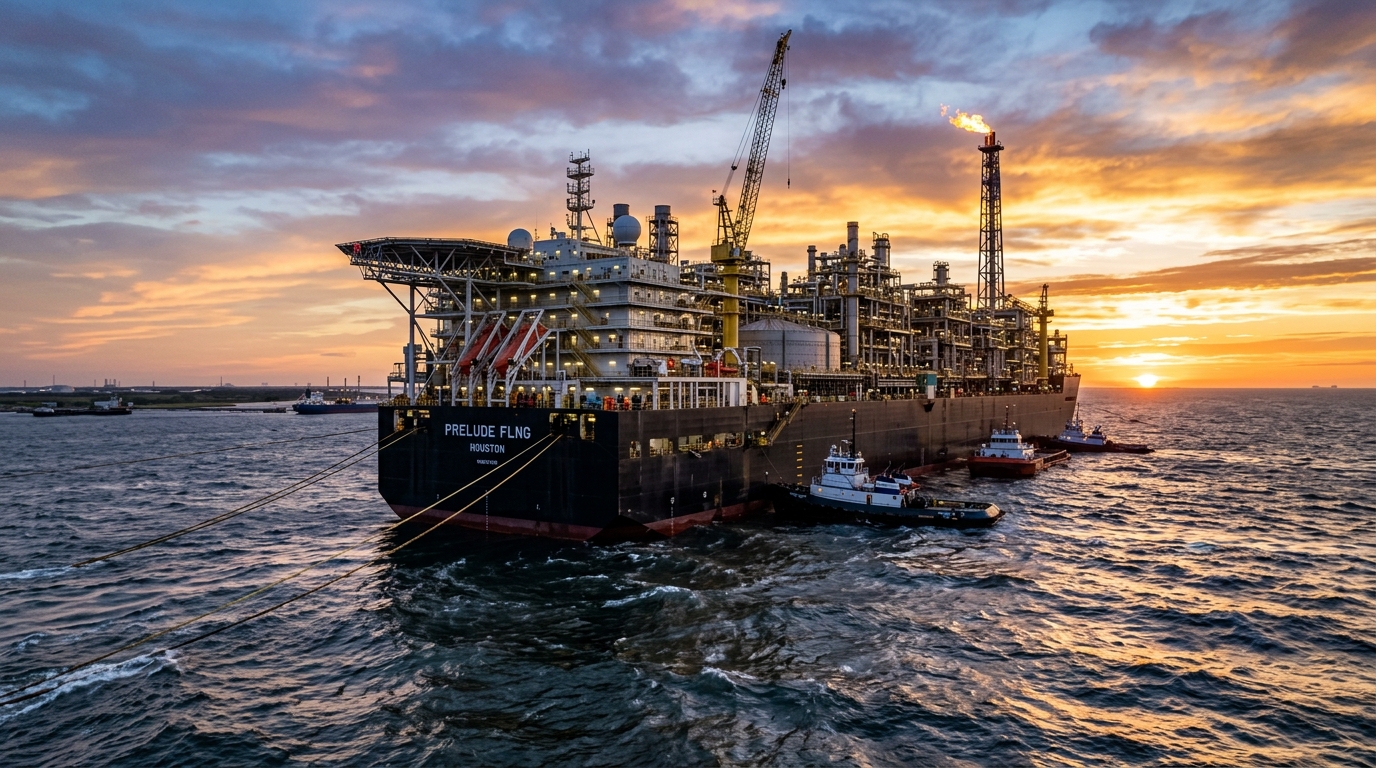
The Delfin FLNG 1 project utilizes floating liquefaction (FLNG) technology, which offers distinct advantages over conventional onshore plants. By processing gas 40 miles offshore, the facility minimizes environmental footprints and avoids the regulatory and community hurdles associated with land-based infrastructure. Furthermore, the mobility of the FLNG unit provides a critical safety buffer, allowing the vessel to disconnect and evacuate during extreme weather events, such as hurricanes in the Gulf of Mexico.
Market Realities and Price Pressure
This investment arrives at a time of significant uncertainty in the global gas markets. Recent industry conferences in London highlighted a consensus that LNG prices will remain elevated for at least the next 18 months. Persistent tight supply, largely driven by the absence of expected Qatari capacity and construction delays on other global projects, has created an environment where projects like Delfin are not just profitable but essential to bridging the energy gap.
Vertical Integration Strategy
For MOL, this move is about more than just a single asset; it is a long-term play for operational independence. By partnering with heavyweights like Vitol, Gunvor, and Centrica, MOL is integrating itself into a robust, global sales network. This vertical integration allows the company to capitalize on its deep technical expertise in Floating Storage and Regasification Units (FSRUs) and ship-to-ship cargo transfer, ensuring that they maintain high utilization rates for their existing LNG carrier fleet.
Future Outlook for Global Supply
While the near-term forecast is dominated by tight supply and high costs, the medium-to-long-term outlook points toward a massive expansion of global capacity. Projections indicate that approximately 250 million tonnes per annum (mtpa) of new capacity will come online over the next five years. While this may eventually lead to a period of oversupply and lower prices, the strategic diversification provided by the U.S. offshore sector remains a vital hedge for carriers and energy traders alike.
Strategic Importance of Diversification
The move also highlights a broader shift in the maritime industry toward asset-light, flexible energy solutions. As geopolitical tensions continue to affect traditional shipping routes, the ability to produce and liquefy gas closer to the source—and potentially offload to carriers in non-congested zones—is becoming a competitive necessity. For MOL, this partnership with Samsung Heavy Industries to construct the unit ensures that their entry into the U.S. market is backed by top-tier engineering, setting a new standard for offshore energy infrastructure in the Western Hemisphere.