Key Takeaways
- The International Tribunal for the Law of the Sea awarded 14 million USD to the Marshall Islands for the unlawful detention of the vessel Heroic Idun.
- This ruling serves as a vital legal precedent reinforcing exclusive flag State jurisdiction and the protection of seafarers on the high seas.
- The judgment represents the largest compensation ever awarded by the tribunal for a maritime detention case.
A Watershed Moment for Maritime Law
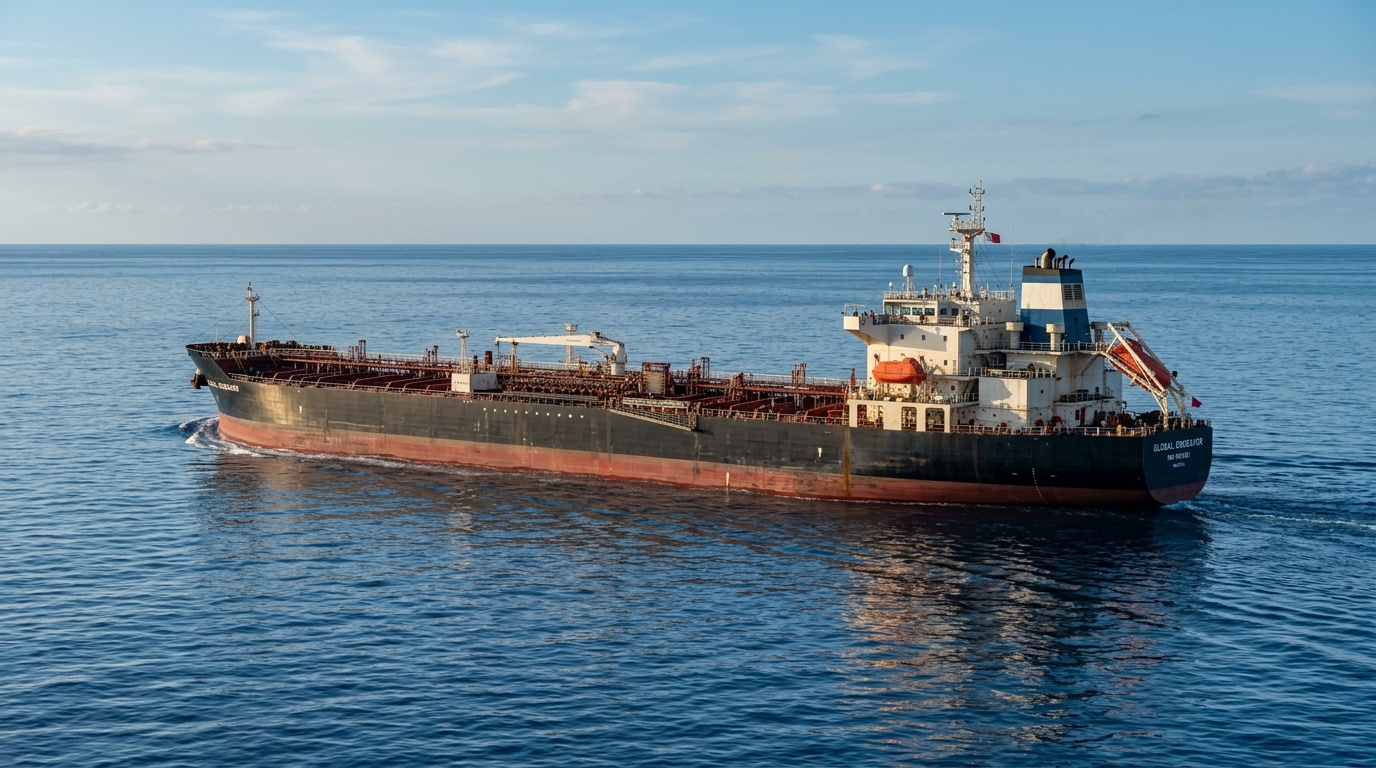
The maritime industry is witnessing a significant shift in legal enforcement following the judgment delivered by the Special Chamber of the International Tribunal for the Law of the Sea (ITLOS). In the case of the Republic of the Marshall Islands versus the Republic of Equatorial Guinea, the tribunal ruled that the interception and subsequent 92-day detention of the very large crude carrier Heroic Idun was a violation of the United Nations Convention on the Law of the Sea (UNCLOS).
The Impact of Exclusive Flag State Jurisdiction
At the heart of this dispute was the fundamental right of a flag State to exercise jurisdiction over its vessels on the high seas. By detaining the vessel and its crew within the exclusive economic zone of another nation and later transferring them to Nigeria for further detention, Equatorial Guinea challenged established international norms. The ITLOS ruling reaffirms that coastal States cannot arbitrarily interfere with foreign-flagged vessels without clear legal justification under UNCLOS.
Financial Repercussions for Unlawful Detention
The compensation package, totaling over 14 million USD, is historic. It includes more than 4 million USD specifically for the mistreatment of the crew during their ordeal. This sets a stark financial precedent for nations or entities that might consider unlawful interception of commercial shipping. For shipowners and operators, this provides a clearer path for seeking recourse when their vessels, such as large tankers, are detained without due process.
Implications for Global Maritime Security
The Heroic Idun case highlights the vulnerability of the global supply chain to geopolitical interference. As global maritime trade becomes increasingly fraught with instability, the need for a robust, rules-based international system is paramount. The Marshall Islands Maritime Administrator noted that the international transport system relies on all parties respecting these foundational agreements, from flag States to port States.
Protecting Seafarers and Operational Integrity
Beyond the vessel's hull and cargo, the human element was central to the tribunal's decision. The recognition of damages for the crew underscores the industry's evolving focus on labor standards and the humane treatment of mariners. Operators and ship managers should view this ruling as a strong signal that human rights and seafarer welfare are increasingly protected by international judicial bodies, even in complex maritime environments.
Looking Ahead: Regulatory Compliance
For ship operators, this case highlights the necessity of maintaining rigorous registration standards and legal preparedness. The Palau Ship Registry's recent efforts to clarify the status of the M/T James II (IMO 9253909) further demonstrate that flag States are taking a more active role in policing their fleets and disassociating from vessels that operate outside of international norms. Transparency and strict adherence to class requirements remain the best defense against legal and operational risks in today's volatile maritime landscape.