
Key Takeaways
- Japan is deploying its Maritime Domain Awareness system to eight Southeast Asian nations by the early 2030s to secure critical Indo-Pacific shipping lanes.
- The initiative utilizes ODA and OSA frameworks to integrate real-time tracking of vessels, including those operating with AIS turned off.
- This expansion serves as a strategic hedge against regional instability, specifically addressing concerns over potential disruptions to maritime lifelines similar to the current Strait of Hormuz blockade.
Strategic Pivot in Indo-Pacific Maritime Security
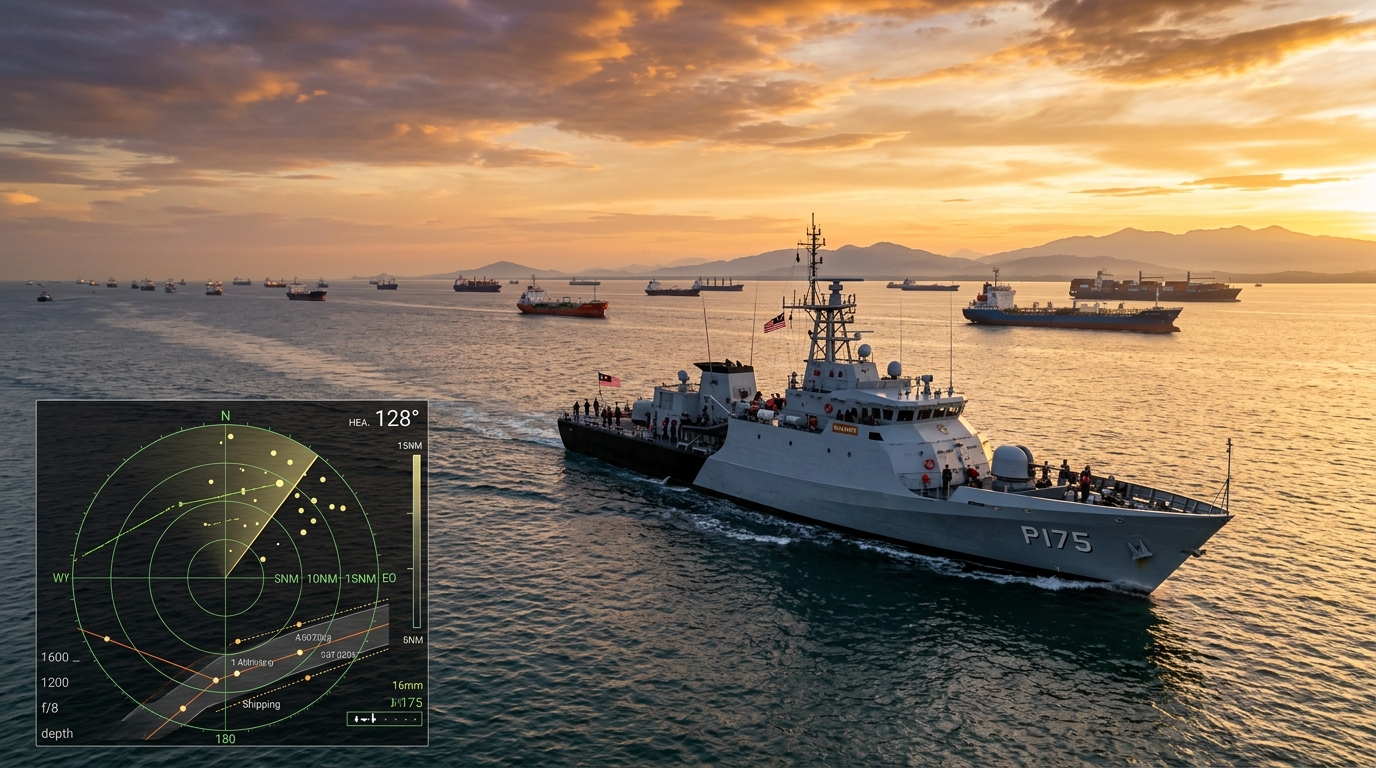
The Japanese government is aggressively scaling its Maritime Domain Awareness (MDA) architecture across Southeast Asia, a move that signals a profound shift in regional maritime surveillance strategy. By integrating radar, satellite imagery, and drone intelligence into a unified network, Japan aims to secure the primary transit routes—most notably the Malacca Strait and Taiwan Strait—that facilitate the flow of energy and goods to East Asian markets. This initiative, supported by Official Development Assistance (ODA) and Official Security Assistance (OSA), is designed to provide real-time, high-fidelity monitoring of maritime activities across the Indo-Pacific.
Addressing the Dark Fleet and Transparency
A central component of this technological rollout is the capability to track vessels that attempt to circumvent regulatory oversight by disabling their Automatic Identification System (AIS). By empowering partner nations with the same analytical tools used by the Japan Coast Guard and JAXA, Tokyo is effectively closing the visibility gap in one of the world’s most congested maritime corridors. This standardized surveillance framework is expected to drastically improve the ability of coastal states to detect illegal transfers, unregistered fishing, and other irregular maritime behaviors that threaten safety and economic stability.
The Catalyst of Geopolitical Fragility
The urgency of this expansion is inextricably linked to the ongoing volatility in the Strait of Hormuz. With Tehran signaling plans to impose new fee systems and exert control over transit traffic, the risk of systemic supply chain failure has moved from theoretical to operational reality. For nations heavily dependent on fossil fuel imports, the potential for a 'chokepoint domino effect'—where disruptions in the Persian Gulf create ripple effects that threaten Southeast Asian bottlenecks—is a primary driver for these new regional defense agreements.
Leveraging Economic Diplomacy for Security
Japan is utilizing its existing economic and diplomatic toolkit to ensure these security measures are adopted at scale. By embedding the MDA framework within its ODA and OSA programs, Japan provides more than just intelligence; it provides a comprehensive infrastructure for maritime governance. This approach allows participating countries in Southeast Asia to enhance their own coastal surveillance capabilities while contributing to a collective security architecture that benefits global trade resilience.
Long-Term Implications for Shipping Operations
For shipowners and operators, the formalization of this network suggests a future where maritime transit through Southeast Asia will become increasingly transparent and regulated. While this may enhance overall safety and reduce the risk of collisions or piracy, it also mandates higher levels of compliance for commercial fleets. As the industry moves toward this era of heightened domain awareness, companies must prepare for a landscape where real-time tracking is not just a regulatory expectation, but a permanent feature of global maritime navigation.
Balancing Sovereignty and Collective Security
The success of this initiative will rely on the delicate balance between maintaining national sovereignty and participating in a unified regional network. As Japan navigates its role as the architect of this system, the cooperation of nations like Indonesia, Malaysia, and the Philippines will be critical. The integration of high-precision satellite data and shared surveillance will likely redefine how regional actors respond to maritime crises, ensuring that critical sea lanes remain open and secure against both state-led blockades and non-state threats.